
Penguin Colony Story: A Spoiler-Light Player's Guide
Explore the Penguin Colony story, its Antarctic mystery, Nazi expedition, Māori influences, and cosmic horror themes, with tips for your first playthrough.
Jump to
What Is the Penguin Colony Story About?
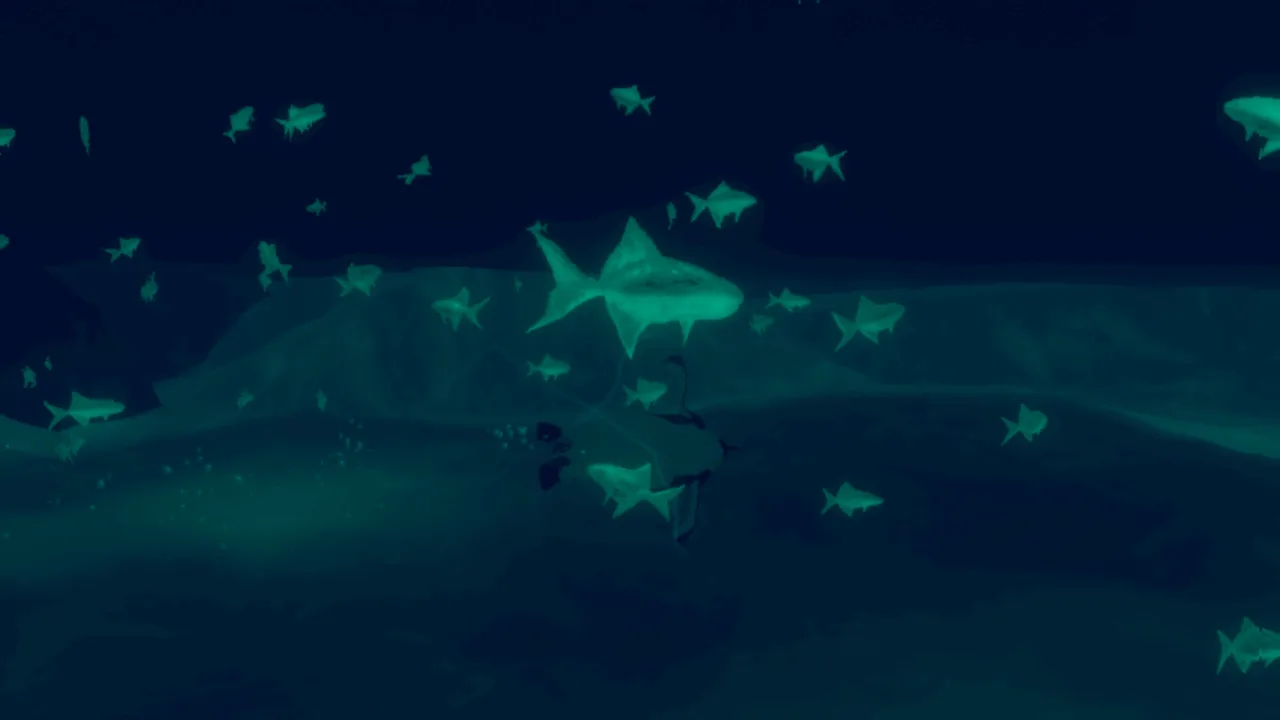
Something beneath Antarctica is calling, and a penguin is heading toward the mountains. The Penguin Colony story brings together a Nazi expedition, a rival faction called the Kaitiaki, and cosmic horrors beneath the ice. Understanding your role as a small witness helps you follow the Penguin Colony story through its fragmented narration, unsettling discoveries, and deliberately strange perspective.
You spend much of the adventure waddling, swimming, and sliding through an environment where human ambitions have collided with something beyond their understanding. Your penguin’s ordinary movements sit alongside extraordinary violence, making even a simple journey across the snow feel unsettling.
The central mystery concerns what the expedition has encountered and what that encounter does to the people involved. Alongside that mystery, the game explores colonialism, domination, and the consequences of treating other lives as expendable.
| Story element | Its place in the adventure |
|---|---|
| Antarctica | The frozen setting surrounding the expedition and buried mystery |
| Penguin perspective | A small animal’s view of human violence and cosmic events |
| Nazi expedition | A human faction searching Antarctica for unknown horrors |
| Kaitiaki | The expedition’s rival faction, shaped by Māori cultural influences |
| Something beneath the ice | The source of the game’s central supernatural mystery |
Keep those relationships in mind as you explore. They provide a useful foundation when individual scenes feel disconnected. You can follow the conflict between the human factions while still wondering what the larger cosmic events mean.
This is a spoiler-light story guide, so the focus stays on understanding the journey, recognizing its themes, and approaching exploration without giving away the final revelations.
Across the Ice: Learn to Watch as a Penguin
The Penguin Colony story gains much of its character from your position close to the ground. Human structures, bodies, and encounters take on a different scale when you approach them as a bird moving through its own habitat.
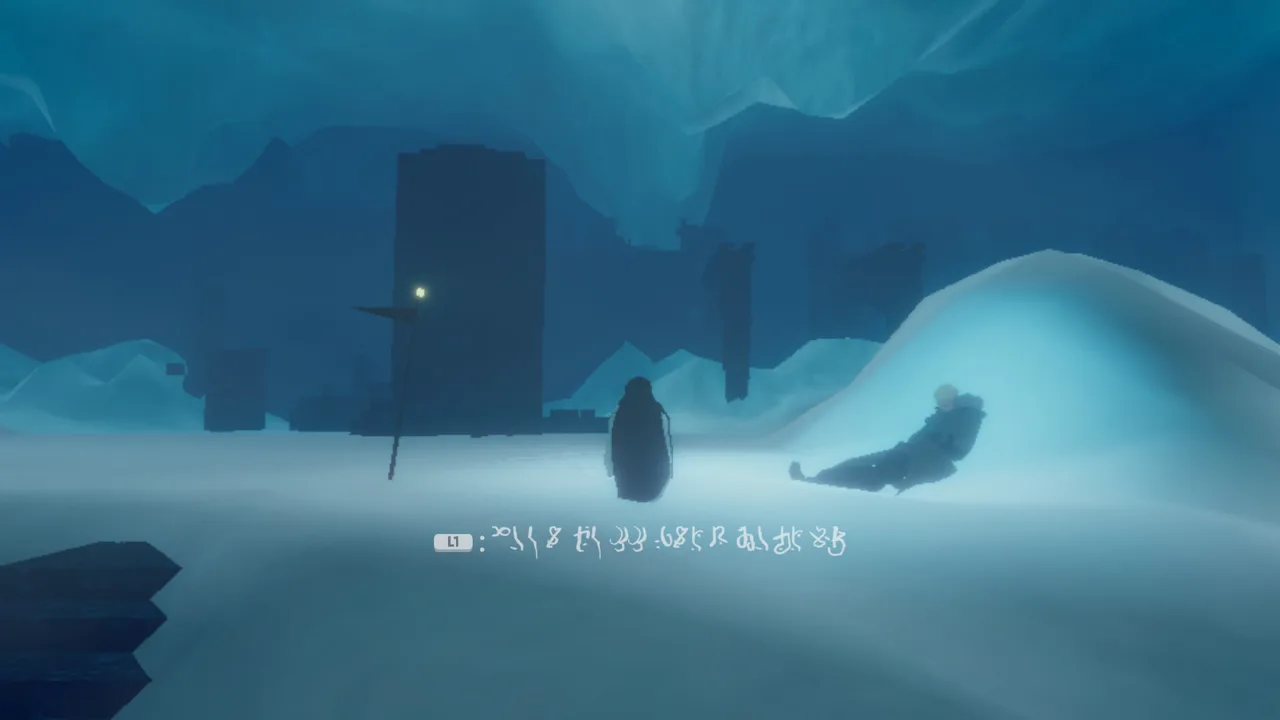 Image: Steam / ORIGAME DIGITAL
That perspective also changes your relationship with danger. Your available movements are physical and immediate: waddle across land, slide over terrain, and swim through water. Meanwhile, the larger human drama unfolds around you.
Approach these opening ideas in a deliberate order:
- Get comfortable with each movement mode. Pay attention to how waddling, sliding, and swimming change your experience of the landscape.
- Watch the surroundings between narrative moments. Let the environment establish the distance between familiar animal life and the expedition’s disturbing activities.
- Listen closely when narration begins. Give each passage your attention before focusing on the next stretch of travel.
- Keep the penguin’s limited viewpoint in mind. Interpret the human conflict through what you encounter rather than expecting your character to explain it.
| Movement | What it contributes to the story experience |
|---|---|
| Waddling | A vulnerable, ground-level perspective on the environment |
| Sliding | Playful movement alongside grim subject matter |
| Swimming | An animal’s passage through Antarctica’s waters |
| Observing | Time to absorb the human behavior and horror around you |
The humor matters here. Penguin calls and belly slides give the animal a personality that persists through the surrounding dread. That can make the violence feel especially alien: your character remains a penguin while humans descend into madness.
Details to watch for include:
- Human behavior that appears increasingly abnormal.
- Changes in atmosphere around unsettling discoveries.
- Moments when playful movement interrupts a disturbing scene.
Give those contrasts time to register. They are central to how the game tells its story through the act of moving.
Following the Expedition: Separate Ambition From Madness
The Nazi expedition supplies a recognizable human threat within the Antarctic mystery. Its search takes place against a much larger horror, with people encountering something that destabilizes their understanding of the world.
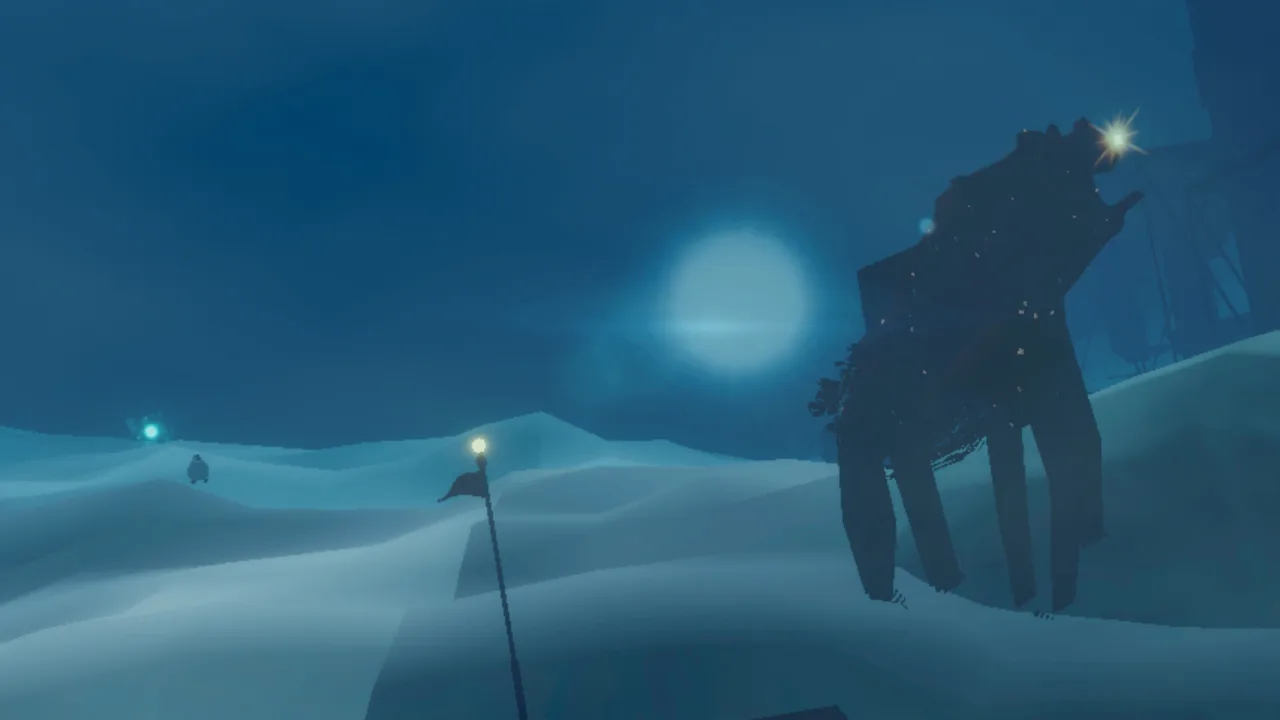 Image: Steam / ORIGAME DIGITAL
For following the Penguin Colony story, separate two questions: what the expedition wants, and what happens when its members approach the unknown. Keeping those questions distinct helps you avoid reducing every disturbing event to a single explanation.
The story’s human conflict also includes the Kaitiaki. Māori culture influences both the game and this rival faction, giving the narrative a perspective that extends beyond the expedition’s ambitions.
| Faction or presence | Relationship to the central conflict |
|---|---|
| Nazi expedition | Searches Antarctica for unknown horrors |
| Kaitiaki | Opposes the Nazi expedition |
| Penguins | Inhabit the environment where the conflict unfolds |
| Cosmic forces | Introduce a scale of danger beyond the expedition’s control |
As you encounter more of the expedition’s story:
- Track the expedition’s purpose. Hold onto what its members seek as their situation becomes stranger.
- Distinguish human violence from supernatural influence. Both belong to the story, and each deserves attention.
- Notice how the Kaitiaki changes the conflict. Consider the presence of an opposing faction when interpreting the expedition’s actions.
- Connect new narration with earlier scenes. Reconsider a previous moment when a later passage gives it additional meaning.
Colonialism is a central theme. The story places human systems of domination beside the cosmic idea that a powerful civilization can regard another as insignificant. That connection gives the supernatural material a political dimension.
Watch for how the narrative handles possession, authority, and the value of other lives. These questions help connect the expedition’s recognizable ideology with the game’s less comprehensible horrors.
The Nazi imagery and violence are part of that confrontation. Expect the story to engage directly with disturbing human behavior as well as impossible beings.
Beneath the Ice: Read the Cosmic Horror
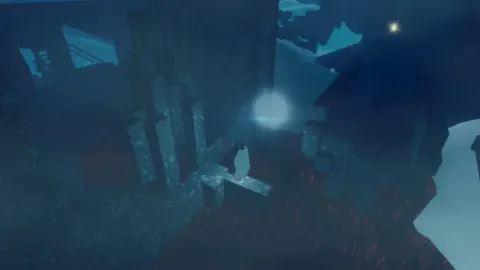
Lovecraft’s At the Mountains of Madness is a major reference point for the Penguin Colony story. The Antarctic setting, expedition, and encounter with forces beyond human comprehension give the adventure a clear relationship with that work.
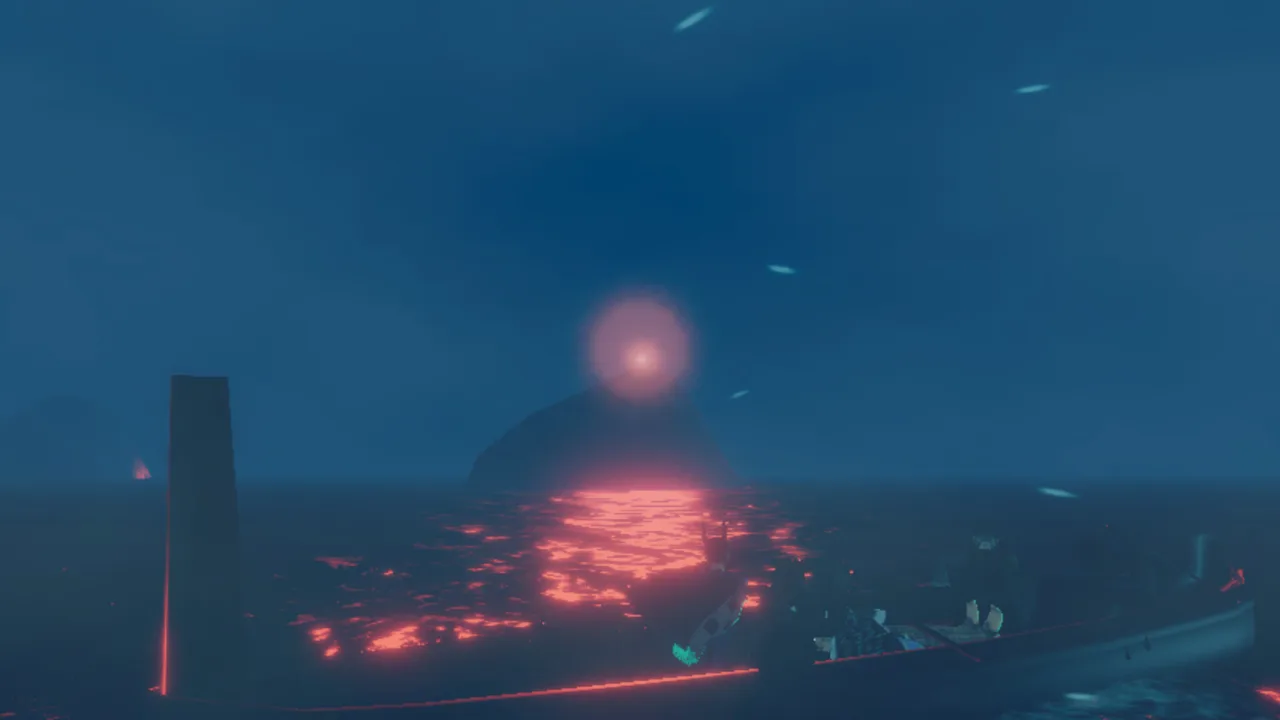 Image: Steam / ORIGAME DIGITAL
Approach it as an adaptation with its own perspective. Familiarity with Lovecraft can make certain references easier to recognize, while the penguin viewpoint and Māori influences shape how this game approaches the material.
The horror also draws on Siren. Its influence includes desolate environments, a restrained interface, and the experience of moving through a world while witnessing madness. That combination encourages attention to atmosphere and behavior.
| Influence or theme | What to pay attention to |
|---|---|
| At the Mountains of Madness | Antarctic exploration and encounters beyond human understanding |
| Siren | Desolation, disturbing human behavior, and environmental unease |
| Māori cultural influences | The Kaitiaki and the story’s indigenous perspective |
| Colonialism | Relationships between domination, power, and expendable lives |
Work through the stranger passages with a few focused habits:
- Read discovered text carefully. Connect written fragments with the events and ideas raised by the narration.
- Let an unexplained image remain a question. Carry it forward until another scene gives you something useful to connect.
- Separate recognition from interpretation. Recognizing a Lovecraft reference is only part of understanding what this adaptation does with it.
- Pay attention to changes in scale. Consider how the story moves between an individual animal, human factions, and civilizations beyond comprehension.
Lenval Brown’s narration is an important part of that experience. The spoken passages give shape to material that can otherwise feel remote or abstract. Listen for how a passage changes your understanding of the place you have just crossed.
The penguin perspective adds another layer. Human characters can pursue explanations and ambitions; your animal viewpoint keeps returning you to movement, immediate surroundings, and survival. That difference gives the cosmic horror a distinct emotional texture.
Toward the Conclusion: Connect What You Have Found
By the time you are considering the Penguin Colony story as a whole, its central threads are worth revisiting together: the expedition’s search, the Kaitiaki’s opposition, the Antarctic setting, and the larger forces beneath it.
The first playthrough takes approximately 2–4 hours, depending on how you approach exploration. Use that range to plan a session with room to absorb the narration and investigate beyond the direct route.
Keep these steps in mind as you move toward the conclusion:
- Revisit the story’s central questions mentally. Consider what the expedition wanted and how its discoveries changed the situation.
- Connect human motives with the larger themes. Look at how colonial ambition relates to the treatment of supposedly lesser lives.
- Reflect on the penguin’s role. Consider what your animal perspective contributes to scenes that would feel different through human eyes.
- Review the findings recap at the end. Use it to organize what you encountered and identify details you want to revisit.
For optional exploration, pay attention to penguin descriptions in the pause menu. Different penguins have different abilities, and the descriptions can help explain an obstacle you encounter. Match that information to the environment before committing to a return journey.
Optional details to watch for include:
- Side routes beyond the main path.
- Text and narrative fragments encountered while exploring.
- Environmental cues connected to a penguin’s particular abilities.
The game autosaves as various actions occur, and demo saves carry into the full game. That lets returning demo players continue their journey with their existing progress.
Expect a forceful story whose approach can divide players. Its narration, political themes, and unusual perspective are prominent parts of the experience. Give yourself time to consider how those elements connect after the final scenes.
If the premise appeals to you, you can explore Penguin Colony on Steam. Go in prepared for a short, unsettling narrative adventure with room for optional discovery.
FAQ
Do I need to read Lovecraft before playing Penguin Colony?
You can follow the adventure without reading At the Mountains of Madness first. Familiarity with Lovecraft adds recognizable references and connections. Approach Penguin Colony as an adaptation with its own penguin perspective, cultural influences, and themes.
How long does the Penguin Colony story take to finish?
A first playthrough takes approximately 2–4 hours, depending on exploration. Leave room in your session to listen to narration, read discovered text, and investigate optional routes if those parts of the experience interest you.
Is Penguin Colony a horror game despite its cute penguins?
Yes. Its Antarctic cosmic horror includes blood, gore, sudden violent deaths, self-harm, suicide, and Nazi imagery. The playful penguin movement exists alongside that disturbing material, creating a sharp emotional tension throughout the adventure.
Does progress from the Penguin Colony demo carry over?
Yes. Demo save progress carries into the full game. Penguin Colony also autosaves when various actions occur, so you do not need to manage manual saves during the story.
Continue with
 Penguin Colony Disco Elysium: The Narrator ConnectionExplore the Penguin Colony Disco Elysium connection, meet narrator Lenval Brown, and learn what to expect from its Antarctic horror, gameplay, and extras.
More in Story

Penguin Colony Kaitiaki: Faction and Story Explained
Explore Penguin Colony kaitiaki, their Māori cultural roots, and their rivalry with the Nazi expedition in this spoiler-light guide to the Antarctic story.
Penguin Colony Lovecraft: The Horror Story Explained
Explore Penguin Colony Lovecraft connections, Antarctic cosmic horror, Māori themes, and story tips before you follow the mystery beneath the frozen ice.
Penguin Colony Nazis: Antarctic Horror Story Explained
Explore the Penguin Colony Nazis storyline, Kaitiaki rivalry, and Antarctic cosmic horror. Learn what to expect before following the mystery into the ice.
Join the community
Official channels for news, updates and player help: